


13 minutes

26 October, 2026




Black Friday is one of the busiest shopping periods of the year, with retailers competing for customers through discounts, promotions and advertising campaigns. Unfortunately, the increased shopping activity can also create opportunities for counterfeiters and businesses looking to profit from someone else’s intellectual property.

From fake products appearing on online marketplaces to competitors copying product photography, branding or patented technology, intellectual property (IP) infringement can take many forms.
For legitimate businesses, the consequences can extend beyond lost sales. Counterfeit products and unauthorised use of intellectual property can damage brand reputation, undermine customer trust and threaten the commercial value of years of hard work.
If you’ve discovered someone copying your brand, products or creative work, it’s important to understand your rights and the steps available to protect them.
At Panoramix IP, we help businesses investigate suspected infringement, gather evidence and take appropriate action through our specialist Infringement Lab.
What Is Intellectual Property Infringement?
Intellectual property infringement occurs when someone uses, copies or commercially exploits protected intellectual property without the necessary permission, where that use falls within the scope of the owner’s rights and no relevant exception or defence applies.
Depending on the nature of your business, intellectual property can include your brand name, logo, product designs, inventions, photographs, written content and software.
Different types of intellectual property are protected by different legal rights. Understanding which rights apply is an important first step when investigating suspected infringement.
Some of the most common types of IP infringement businesses may encounter during Black Friday include:
- Copyright infringement: Unauthorised copying or use of protected creative work, including product photographs, website content and marketing materials.
- Trade mark infringement: Unauthorised use of a registered trade mark, or a sufficiently similar sign, in circumstances that infringe the owner’s rights.
- Counterfeiting: The manufacture, distribution or sale of imitation products presented as genuine branded goods.
- Patent infringement: Unauthorised commercial exploitation of an invention protected by a patent.
- Passing off: Misleading customers into believing that another business’s products or services originate from, or are connected with, an established business.
Although these issues can arise throughout the year, Black Friday provides a particularly relevant opportunity for businesses to review how their intellectual property is being used online.
Five Types of IP Infringement to Watch Out for This Black Friday
1. Copyright Infringement: Someone Is Using Your Content Without Permission
Your product photography, website content, advertising materials and original creative designs can be valuable commercial assets.
In the UK, copyright protection generally arises automatically when an eligible original work is created. You do not need to register copyright to benefit from protection. However, this does not prevent other businesses from copying your work.
For example, you might discover that a competing retailer has downloaded your product photographs and is using them to advertise its own Black Friday offers. Alternatively, another website may have copied your product descriptions, promotional graphics or original illustrations.
If you suspect copyright infringement, you should preserve evidence of the unauthorised use, including screenshots, website addresses and dates. It’s also important to establish who owns the copyright. This can be particularly relevant where photographs, graphics or website content were originally created by freelancers or external agencies. Depending on the circumstances, you may be able to request the removal of infringing content, negotiate a settlement or pursue further legal action.
2. Trade Mark Infringement: Someone Is Using Your Brand Name or Logo
Your brand identity helps customers recognise your business and distinguish your products or services from competitors. If another business uses your registered trade mark, or a confusingly similar sign, without permission, this may amount to trade mark infringement.
During Black Friday, businesses should be particularly alert to unauthorised sellers using their brand names, logos or product branding to attract customers.
For example, a third-party retailer might advertise products using your registered brand name, giving customers the impression that the goods originate from your business or are officially associated with it.
Not every unauthorised reference to a trade mark constitutes infringement. The circumstances of the use, the goods or services involved and the rights held by the trade mark owner all need to be considered. If you discover potentially infringing use of your brand, preserve the relevant advertisements, listings and seller information before taking action. Our trade mark infringement and disputes services help businesses assess suspected infringement and identify appropriate enforcement options.
3. Counterfeiting: Fake Versions of Your Products Are Being Sold
Counterfeiting is a significant concern for businesses selling branded products, particularly during major shopping events such as Black Friday.
Counterfeiters may attempt to capitalise on consumer demand by advertising imitation products at heavily discounted prices, sometimes using genuine brand photography and logos to make their listings appear legitimate.
These products can appear across online marketplaces, social media advertisements, independent websites and other sales channels.
For businesses, counterfeit goods can create several problems:
- Lost revenue when customers purchase fake products instead of genuine ones.
- Reputational damage caused by poor-quality counterfeit products.
- Customer complaints and confusion about product authenticity.
- Potential safety concerns where counterfeit goods fail to meet appropriate standards.
- Additional costs associated with investigating and removing infringing listings.
If you discover suspected counterfeit products, avoid assuming that a low price alone proves a product is fake. A properly documented investigation may be necessary to establish whether the goods are counterfeit and identify the seller responsible.
Through our anti-counterfeiting services, Panoramix IP helps businesses investigate counterfeit products, protect their brands and pursue proportionate enforcement action. Our specialist Infringement Lab can also carry out controlled test purchases, examine suspected counterfeit products and document the findings to support potential enforcement proceedings.
4. Patent Infringement: A Competitor Is Selling Your Protected Invention
Patent infringement can be more difficult to identify than unauthorised use of a logo or photograph. A patent protects an invention within the scope of its claims, giving the patent owner rights to prevent certain unauthorised activities involving the patented invention.
For example, a manufacturer might discover that a competing product being heavily promoted during Black Friday appears to incorporate technology protected by one of its patents.
However, similarities between two products do not automatically establish patent infringement. Determining whether a patent has been infringed often requires a detailed technical assessment of the competing product against the relevant patent claims. This can involve examining internal components, assessing functionality and comparing technical features.
At Panoramix IP, our patent infringement and protection specialists help businesses understand their rights and investigate potential infringement.
Our Infringement Lab supports these investigations through product teardowns, 3D scanning, dimensional comparisons and technical analysis, providing documented findings that can inform enforcement decisions.
5. Passing Off: Another Business Is Misleading Your Customers
What happens if another business copies your branding, but you haven’t registered a trade mark?
In some circumstances, you may still have legal protection through passing off.
Passing off is particularly relevant to businesses that have established a recognisable reputation and goodwill in their brand, products or services.
For example, a competitor might adopt similar branding, packaging or website presentation in a way that leads customers to believe its products are connected with your business.
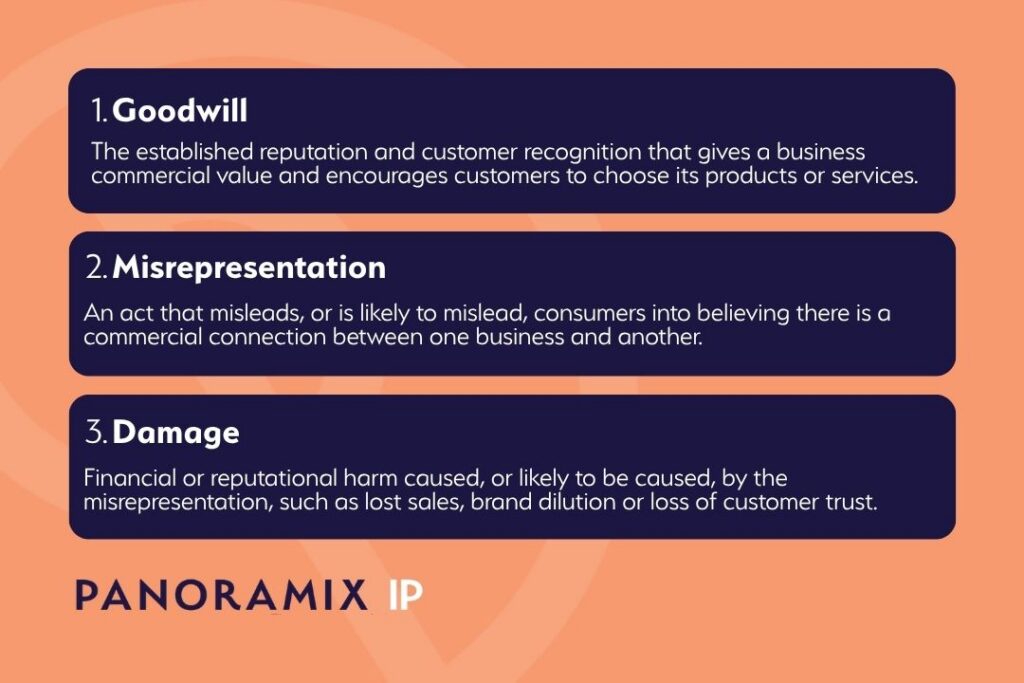
To establish a passing off claim under UK law, you generally need to demonstrate three elements:
- Goodwill: Your business has established goodwill associated with its goods or services.
- Misrepresentation: Another party has made a representation that is likely to mislead customers into believing there is a commercial connection with your business.
- Damage: The misrepresentation has caused, or is likely to cause, damage to your goodwill.
Passing off can provide an important route for protecting unregistered brand rights, although establishing a successful claim requires appropriate evidence.
Our passing off claims specialists can help assess whether you have grounds to take action.
What Should You Do If You Discover IP Infringement?
Discovering that another business may be copying your products, branding or creative work can be frustrating, particularly during a busy trading period.
Although you may want to contact the other party immediately, taking a considered approach can help protect your position and avoid unnecessary complications.
Step 1: Gather Evidence of the Suspected Infringement
Before contacting the suspected infringer, preserve as much relevant evidence as possible.
This might include:
- Screenshots of product listings, websites and advertisements.
- Website URLs and seller information.
- Dates when the suspected infringement was identified.
- Copies of the allegedly infringing content or products.
- Records demonstrating ownership of your intellectual property.
- Evidence of customer confusion, lost sales or other commercial damage.
Online listings can be removed or changed quickly, making early evidence collection particularly important.
For more complex disputes, professional evidence gathering may be necessary to establish the facts reliably.
Step 2: Identify Which Intellectual Property Rights You Hold
The next step is to establish which intellectual property rights may have been infringed.
For example, a counterfeit product could potentially infringe registered trade marks, copyright or design rights, depending on its features and the circumstances.
Similarly, a competing product that looks similar to yours may not necessarily infringe a patent, but could raise questions about registered or unregistered design protection.
Understanding the rights involved helps determine which enforcement options may be available.
If you’re unsure what intellectual property protection your business holds, our free IP Clinics provide an opportunity to discuss your concerns with our specialist team.
Step 3: Avoid Making Immediate Accusations
Before sending a cease and desist letter or making formal infringement allegations, it’s important to establish whether you have sufficient grounds to do so.
In certain intellectual property disputes, particularly those involving patents, trade marks and designs, unjustified threats of legal proceedings can have legal consequences.
Taking specialist advice before contacting the other party can help you understand the strength of your position and avoid unnecessary risks.
Step 4: Investigate the Suspected Infringement
In some cases, infringement may be relatively straightforward to establish. In others, a more detailed investigation will be required.
For example, suspected counterfeit goods may need to be purchased and compared against genuine products, while potential patent infringement could require technical analysis of internal components.
This is where our Infringement Lab can help. By combining practical product investigations with intellectual property expertise, we help businesses gather evidence, understand potential infringement risks and make informed decisions about their next steps.
Step 5: Consider Your Enforcement Options
Once the relevant facts have been established, there are several potential routes for addressing infringement.
Depending on the circumstances, these may include requesting the removal of infringing online listings, issuing a cease and desist letter, negotiating a settlement or pursuing formal legal proceedings.
The most appropriate approach will depend on the nature of the infringement, the strength of your rights, the available evidence and your commercial objectives.
At Panoramix IP, we focus on practical, proportionate solutions that protect your intellectual property while considering the wider needs of your business.
How Can Panoramix IP’s Infringement Lab Help?
Suspecting that someone has infringed your intellectual property is one thing. Establishing the facts and gathering evidence to support your position is another.
Our dedicated Infringement Lab helps businesses investigate suspected copying, counterfeiting and patent infringement through practical product analysis and structured evidence gathering.
Working alongside our intellectual property specialists, the Lab provides the technical findings and documentation businesses need to assess potential infringement and determine their next steps.
Test Purchases and Evidence Gathering
We carry out controlled test purchases of suspected counterfeit or infringing products from online marketplaces, websites and other sales channels.
Our investigations can include documenting seller information, product listings, packaging, labelling and the differences between genuine and suspected infringing goods.
3D Scanning and Product Comparisons

Our 3D scanning capabilities allow us to compare the dimensions, shapes and physical features of products.
This can be particularly valuable when investigating suspected design infringement or examining similarities between competing products.
Product Teardowns and Technical Analysis
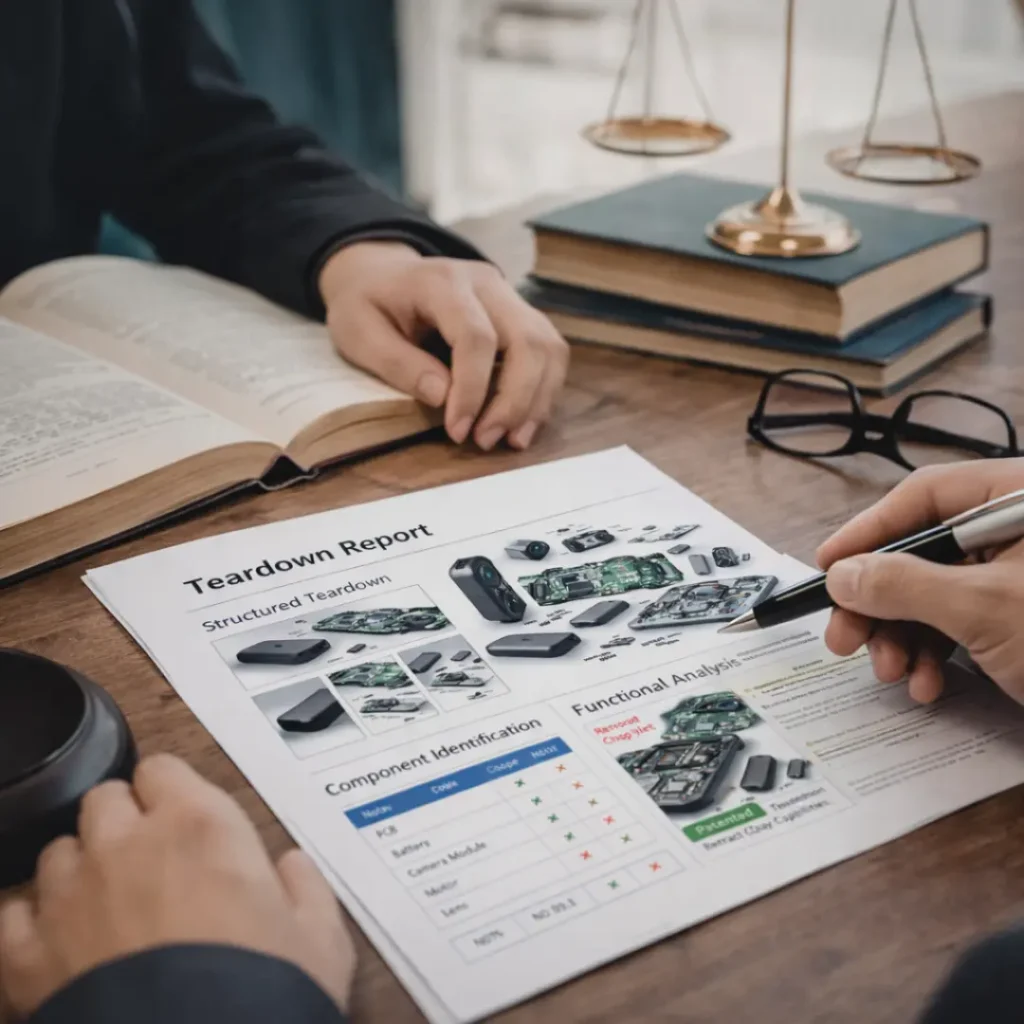
Where suspected infringement involves technical features or patented inventions, we can dismantle and examine products to understand their internal components and functionality.
Our teardown reports document relevant findings and can support further patent infringement analysis.
Infringement Reports and Documentation
We provide structured evidence, including photographs, technical comparisons and investigation findings, to help businesses understand the issues identified.
This information can support discussions with legal advisers, online platforms and enforcement partners.
Suspect Someone Is Infringing Your Intellectual Property?
Our Infringement Lab can help you investigate suspected infringement, gather reliable evidence and understand your options.
Discover How Our Infringement Lab Can Help
Black Friday IP Protection Checklist for Businesses
Although infringement can occur at any time, Black Friday is a useful opportunity to review how your brand and products are being represented online.
Before and during the sales period, consider taking the following steps:
- Monitor online marketplaces: Search for unauthorised sellers using your brand name, logos or product photography.
- Check social media advertisements: Look out for suspicious promotions, imitation products and accounts impersonating your business.
- Review competing products: Identify products that appear to copy protected designs, inventions or other intellectual property.
- Search for imitation websites: Be alert to websites using similar branding, domain names or content that could mislead customers.
- Document suspicious activity: Preserve relevant listings, advertisements and seller details before requesting removal.
- Review your IP protection: Check that your important trade marks, patents and designs are appropriately protected in the markets where you operate.
For businesses with established brands or valuable product portfolios, ongoing brand monitoring and trade mark watching can also help identify potential infringement before it develops into a more significant problem.
Can You Get Free Advice About IP Infringement?
If you’re concerned that someone may be infringing your intellectual property, but you’re unsure which rights apply or what action to take, speaking to an IP specialist can help you understand your position.
At Panoramix IP, we offer free 45-minute IP Clinics for individuals, startups and businesses seeking guidance on intellectual property matters.
Our clinics provide an opportunity to discuss your IP questions, understand the protection available and explore potential next steps.
From copyright and trade marks to patents and potential infringement concerns, our team provides straightforward, practical guidance without unnecessary jargon or sales pressure.
Book Your Free IP Clinic
Protect Your Intellectual Property Beyond Black Friday
Black Friday may bring increased attention to counterfeit goods and unauthorised use of intellectual property, but infringement is a year-round concern for businesses.
Your brand, inventions, designs and creative work all contribute to the value of your business. Protecting these assets is an important part of maintaining your competitive position and safeguarding your commercial interests.
If you discover suspected infringement, gathering reliable evidence and understanding your legal position can make a significant difference to the options available.
At Panoramix IP, we combine specialist intellectual property expertise with practical investigation capabilities to help businesses protect what they’ve worked hard to create.
Think Someone Is Copying Your Brand or Products?
Our Infringement Lab can help you investigate suspected infringement, establish the facts and take the next steps towards protecting your intellectual property.