

Intellectual Property for Animal Health and Veterinary
The animal health sector combines cutting-edge science with a diverse and fast-growing market, spanning veterinary medicines and vaccines, diagnostics, animal nutrition, biotechnology, and the connected devices and software increasingly used to monitor and care for animals. From livestock productivity and food-chain safety to the booming companion-animal market, innovation in this field is intense, and the intellectual property behind it is often a company’s most valuable asset.
At Panoramix IP we help animal health businesses protect the full range of their innovation, securing patents for new treatments and technologies, safeguarding confidential formulations and know-how, and protecting through trade marks the brands that veterinary professionals and pet owners trust, so that scientific and commercial investment is properly rewarded.
Contact us on 01522 712 433 or email info@panoramixip.co.uk to speak to our team.
Protecting Innovation in Animal Health
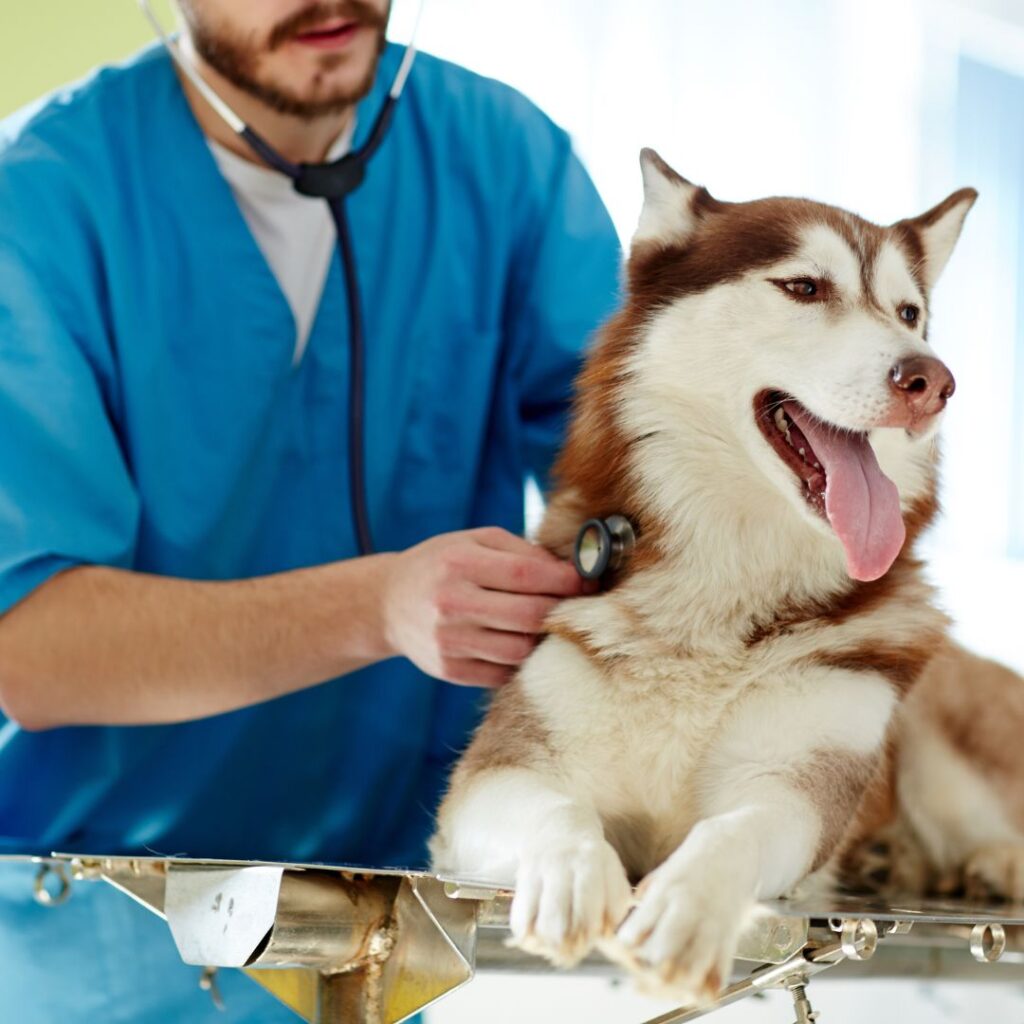
Animal health innovation engages a broad mix of IP rights. Patents can protect new veterinary medicines, vaccines, formulations, diagnostic methods, medical devices and animal-monitoring technologies. Trade secrets protect confidential formulations, manufacturing processes and data, while trade marks protect the product and company brands that carry a reputation for safety and efficacy. Software and connected devices bring copyright and design considerations into play.
As with human healthcare, this is a heavily regulated sector, and the time and cost of bringing a regulated product to market are considerable. Protecting the underlying innovation robustly, and understanding where additional protections such as supplementary protection may apply to veterinary medicinal products, is central to recouping that investment. We help animal health businesses secure the right protection for each part of their portfolio.
Regulation, Collaboration and Global Reach
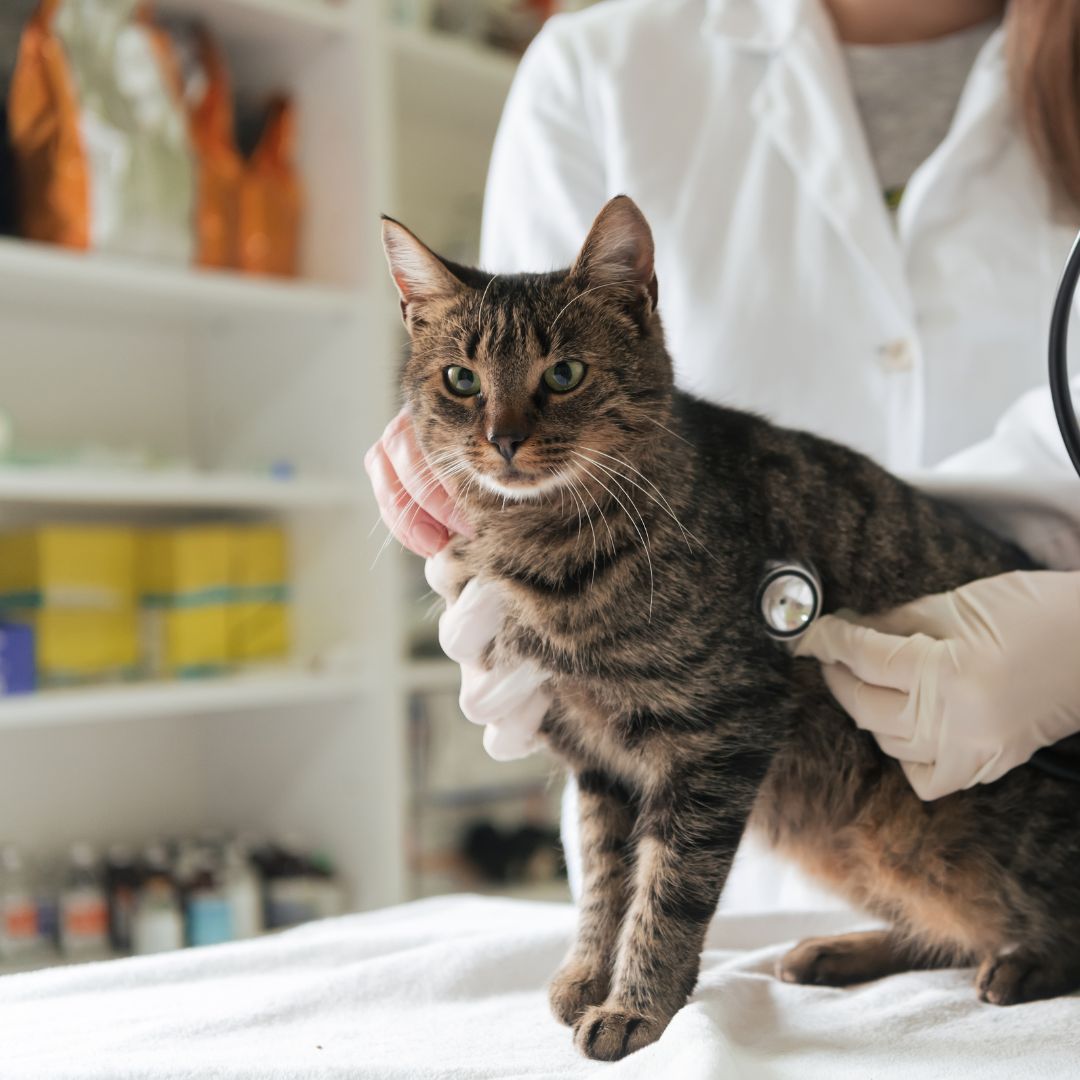
Animal health products are frequently developed through collaboration between companies, universities, research institutes and veterinary bodies. Clear agreements on IP ownership, background and foreground rights, licensing and confidentiality are essential to avoid disputes over jointly developed technology and to keep a clear path to commercialisation.
The sector is also global, with products and supply chains crossing borders, and IP protection is territorial. A coordinated international filing and enforcement strategy protects your position in the markets that matter, while freedom to operate analysis helps you identify and manage the risk of infringing others’ rights before launch. We help animal health businesses structure their collaborations, protect their innovation internationally and enforce their rights against imitation and infringement.
FAQs
What kinds of IP protection apply to animal health products?
Animal health typically engages patents for medicines, vaccines, diagnostics and devices, trade secrets for formulations and processes, trade marks for product and company brands, and copyright and design rights for software and connected devices. Most products rely on a combination, so a coordinated strategy is usually the most effective approach. We help you identify the right mix.
Can veterinary medicines benefit from extended protection?
In some cases, yes. Veterinary medicinal products that require marketing authorisation may be eligible for supplementary protection, helping to compensate for patent term effectively lost during the regulatory approval process. Eligibility depends on detailed rules and the circumstances of the product. We can assess whether extended protection is available and worthwhile for your product.
Should we patent a new formulation or keep it secret?
It depends on the formulation and how easily it could be reverse-engineered. Patents provide enforceable, time-limited rights but require disclosure, while trade secrets can potentially last indefinitely but only for as long as the information remains confidential. Many animal health businesses protect some innovations by patent and keep others confidential. We help you decide which route suits each asset.
Who owns IP developed with a university or research partner?
That depends on the terms of your collaboration, which are not always favourable by default. It is important to agree ownership, licensing and confidentiality clearly at the outset. We help animal health businesses negotiate and document these arrangements so you can commercialise with confidence.
Do we need protection outside the UK?
Usually, yes. The animal health market and its supply chains are international, and IP rights are territorial. We help you prioritise the markets that matter and coordinate international patent, trade mark and design protection so your rights follow your commercial footprint.
Our Case Studies
Case Study: The Earthshot Prize

Case Study: Cambridge Mechatronics
Case Study: The Chartered Institute of Patent Attorneys

Case Study: Lincoln City Football Club

Case Study: Escape Fitness
Case Study: British American Tobacco