


Developing an innovative product or process is an exciting milestone for any business. However, turning that innovation into a granted patent requires far more than simply completing an application form.
A successful patent application depends on carefully documenting your invention, meeting the legal requirements for patentability and preparing a robust application that clearly defines the scope of protection you are seeking. Mistakes made during the filing process can be difficult, or even impossible, to correct later.
In this guide, our patent specialists explain what is required to file a patent in the UK, what information you’ll need to prepare, and why obtaining professional advice can help maximise the value of your patent protection.
What Is a Patent Application?
A patent application is the formal legal process used to apply for patent protection for a new invention. Once filed, your application is examined to determine whether your invention satisfies the legal requirements for a patent.
Importantly, a patent application is much more than an administrative form. It is a technical and legal document that describes your invention in detail and defines exactly what you are seeking to protect.
Because the scope of your protection is determined by the content of the application itself, preparing a clear and comprehensive patent specification from the outset is essential.
Who Can Apply for a Patent?
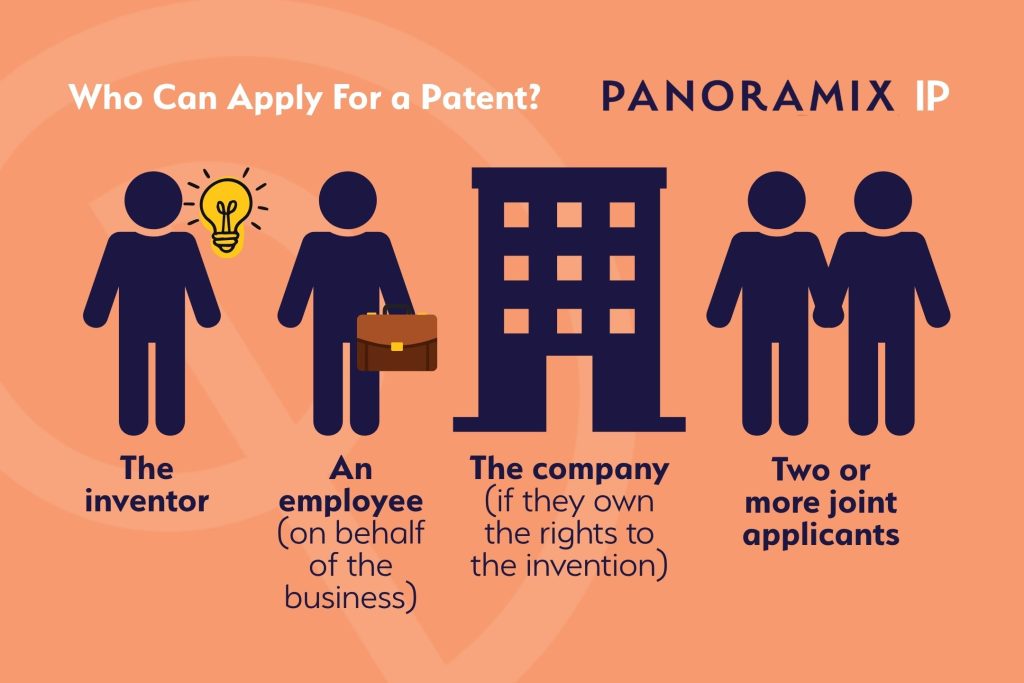
In the UK, a patent application may be filed by:
- The inventor.
- An employee, where the invention was created during the course of employment and ownership belongs to the business.
- A company that owns the rights to the invention.
- Two or more joint applicants, where appropriate.
Determining ownership at an early stage is important, particularly where multiple inventors or businesses have contributed to the development of an invention.
What Is Required to File a Patent?
Preparing a patent application involves gathering several key pieces of information. While every invention is different, most applications require the following.
1. A Patentable Invention
Before filing a patent application, your invention must satisfy the legal requirements for patentability.
Generally, an invention must:
- Be new.
- Involve an inventive step.
- Be capable of industrial application.
- Not fall within one of the excluded categories under patent law.
Not every idea or business concept can be patented, so assessing whether your invention is suitable for patent protection is an important first step.
2. A Detailed Description of the Invention
One of the most important parts of any successful patent application is the written description, often referred to as the patent specification.
This document explains:
- What the invention is.
- How it works.
- What problem it solves.
- How it differs from existing technologies.
- Any variations or alternative embodiments of the invention.
The description should contain enough technical detail to allow someone skilled in the relevant field to understand and reproduce the invention.
Providing a thorough description at the time of filing is particularly important because new technical information generally cannot be added to the application later.
3. Patent Claims
Patent claims are one of the most significant elements of any new product or software patent application.
The claims define the legal scope of protection being sought and determine exactly what aspects of the invention are protected if the patent is granted.
Drafting effective patent claims requires both technical understanding and specialist legal knowledge. Claims that are too broad may be rejected during examination, while claims that are too narrow may provide limited commercial protection.
Carefully drafted claims can make a significant difference to the long-term value of a patent.
4. Patent Drawings (Where Appropriate)
Many patent applications include technical drawings to help illustrate the invention.
Depending on the nature of the invention, drawings may show:
- Individual components.
- Cross-sectional views.
- Flow diagrams.
- Mechanical arrangements.
- Manufacturing processes.
Although drawings are not required for every application, they can often improve the clarity of the invention and support the written description.
Click here to watch our short video about drawings in a patent application, and why we always recommend line drawings over CAD for this purpose.
5. Details of the Inventor and Applicant
A patent application also requires information about the people or organisations involved.
This typically includes:
- The name of the inventor or inventors.
- The applicant, who will own the patent.
- Contact details.
- Any necessary ownership or assignment information.
Ensuring ownership is recorded correctly from the outset can help avoid complications later in the patent process, including patent disputes over who owns what.
6. A Patent Filing Strategy
Filing a patent is not simply about protecting an invention. It is also about supporting your wider commercial objectives with a well executed patent strategy.
Before submitting an application for your patent, it is important to consider questions such as:
- Will you only require protection in the UK?
- Do you intend to expand internationally?
- Is the invention likely to be licensed to other businesses?
- How does the patent fit within your overall intellectual property strategy?
Considering these issues early can help ensure your patent protection aligns with your long-term business goals.
Why Use a Patent Attorney To File Your Patent?
Preparing a strong patent application requires much more than describing an invention. Every application should be carefully drafted to maximise the scope of protection while satisfying the legal requirements for patentability.
A patent attorney at Panoramix IP can help you:
- Assess whether your invention may be patentable.
- Prepare a detailed patent specification.
- Draft robust patent claims.
- Develop an appropriate UK or international filing strategy.
- Respond to examination reports and objections raised during the application process.
- Ensure your patent protection supports your wider commercial objectives.
At Panoramix IP, our experienced patent attorneys work with businesses, entrepreneurs and innovators across a wide range of industries, helping them secure meaningful patent protection that supports long-term commercial success.
If you’re considering filing a patent application, the experienced patent specialists at Panoramix IP can guide you through every stage of the process, helping you protect your innovation with confidence. Get in touch with us today, or click here to register for your free 45-minute consultation to learn more about how we can help.