


Intellectual Property Services for Wearables and Health Monitoring Technologies
Wearable technology is transforming the way we monitor health, fitness and wellbeing, with innovations spanning smart sensors, connected devices, software, data analytics and integrated apps.
For businesses developing these technologies, protecting the intellectual property behind the product is an important part of maintaining a competitive advantage.
At Panoramix IP, our wearable technology IP lawyers help businesses protect the inventions, designs, software and brands behind wearable devices. Our dual-qualified solicitors and attorneys can support intellectual property protection in the UK, US, EU and other international markets.
We understand that wearable technology often sits at the intersection of hardware engineering, software development, data analytics and healthcare. Our team can provide strategic IP advice throughout the product lifecycle, from early-stage development and patent filing through to commercialisation, licensing and enforcement.

Protecting Wearable Technology and Intellectual Property
A single wearable device can contain several different types of intellectual property.
The technology within the product may potentially be protected through patents, while its name and branding may be protected through trade marks. The appearance of the product may benefit from design protection, while software, graphics and other original works may attract copyright protection.
Confidential technical knowledge, algorithms, manufacturing processes and commercial information may require additional protection through confidentiality agreements and appropriate contractual arrangements.
As a result, protecting wearable technology is rarely about securing a single intellectual property right.
Our wearable technology intellectual property lawyers can assess the different elements of your product and help you establish which rights are commercially important, how they can be protected and where protection should be sought.
Taking advice early in the development process can be particularly important. Public disclosure of an invention before an appropriate patent application has been filed can affect the patent protection available.

Patents for Wearable Technology
Patents can play an important role in protecting the technical innovations that make a wearable product different from competing devices.
Depending on the technology involved, wearable technology patents may protect innovations relating to sensors, monitoring systems, power management, communications, device architecture, data processing and other technical functionality.
For businesses developing health and fitness wearables, patentable innovation might exist within the physical device itself or in the way hardware and software work together to solve a technical problem.
Our patent attorneys can help identify potentially patentable aspects of your wearable technology, assess the existing patent landscape and develop a filing strategy based on your commercial plans.
Early advice can be particularly valuable if your wearable technology is approaching a product launch, investment round, exhibition, clinical trial or another form of public disclosure – you can book a free consultation today.
What Parts of Wearable Technology Can Be Protected?
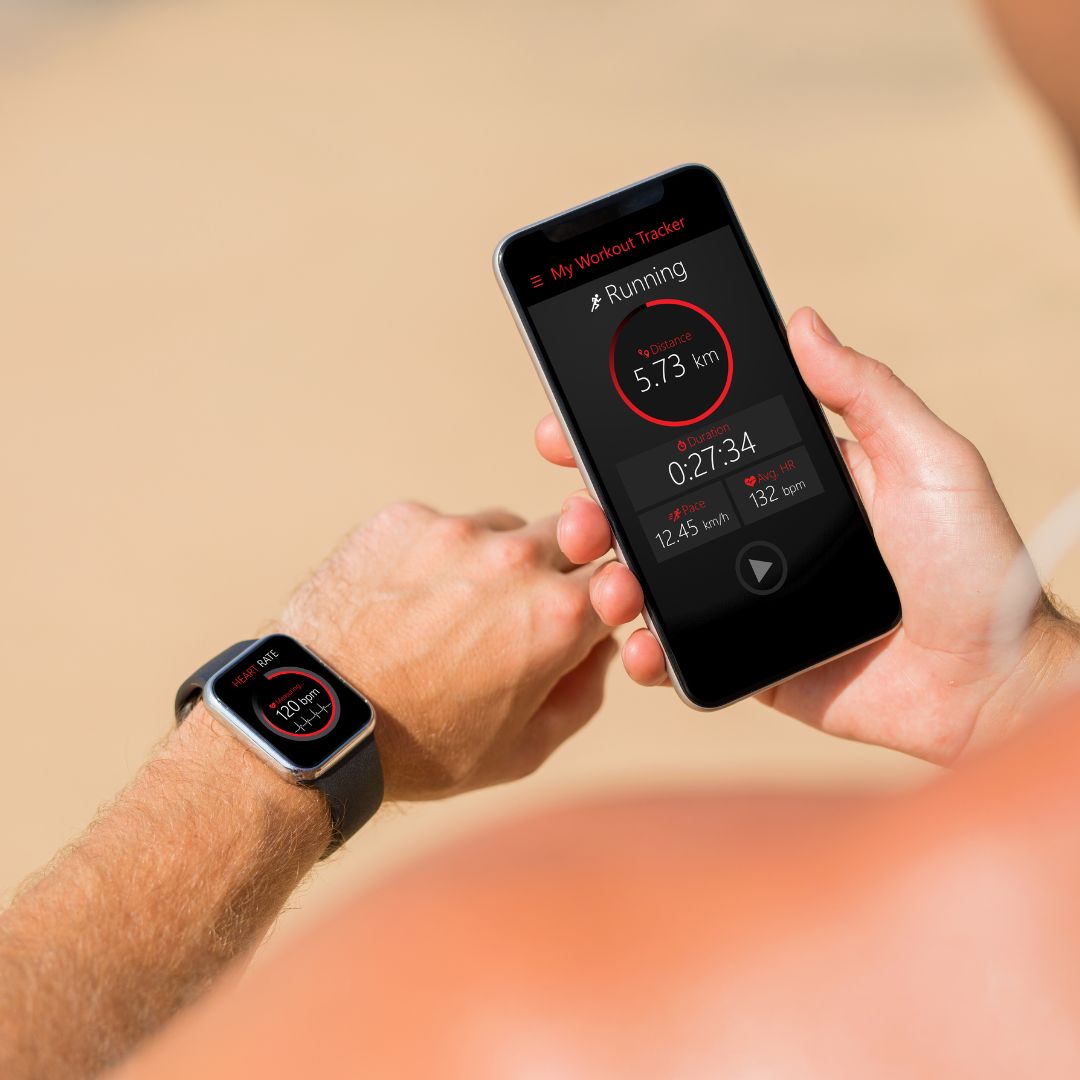
Wearable technology often brings together multiple innovations within one product, which means different elements may require different forms of intellectual property protection.
Technical Inventions
Patent protection may be available for novel technical inventions within a wearable device. This could include sensor configurations, power management systems, monitoring functionality, communications technology or technical interactions between hardware and software.
Product Appearance
The visual appearance of a wearable device can be an important point of difference, particularly in competitive consumer markets. Design rights may be used to protect elements such as the shape, configuration, pattern or overall appearance of a product.
Software and Code
Copyright can protect original software code and other copyright works used within a wearable technology platform.
Where software contributes to a technical solution, there may also be circumstances in which patent protection should be considered.
Brand Names and Logos
A strong brand can become one of the most valuable assets associated with a wearable product. Trade mark protection can help protect product names, company names, logos and other distinctive brand assets.
Confidential Technology and Know-How
Not every valuable innovation needs to be publicly registered. Confidential technical knowledge, algorithms, manufacturing methods, research and commercial information may instead need to be protected through confidentiality arrangements and appropriate agreements with employees, developers, manufacturers and commercial partners.
Commercial Partnerships
Wearable technologies are often developed and commercialised through collaborations involving manufacturers, software providers, healthcare organisations and other technology partners.
Clear contracts and licensing agreements can establish who owns the underlying intellectual property, what each party is permitted to use and how newly developed IP will be treated.

Building an IP Strategy for Wearable Technology
An effective wearable technology intellectual property strategy should consider not only what can be protected, but which rights are most important to the commercial success of the business.
For an early-stage wearable technology company, this might mean identifying patentable innovations before approaching investors or publicly demonstrating a product.
For an established business, the focus may be on expanding patent protection internationally, carrying out freedom to operate searches, managing a growing IP portfolio or licensing technology to commercial partners.
Our patent strategy lawyers can help you develop a protection strategy that reflects your technology, competitors, target markets and longer-term commercial plans.
This can include identifying existing and potential IP assets, prioritising applications, reviewing ownership, assessing third-party rights and developing a strategy for commercialisation and enforcement.
If you’re unsure what intellectual property your business currently owns or where there may be gaps in protection, an IP audit can provide a useful starting point.

Intellectual Property for Health Monitoring and Medical Wearables
Wearable health technology can present additional intellectual property considerations because products often sit at the intersection of consumer technology, software, medical devices and healthcare.
These technologies can include fitness trackers, biometric sensors, remote patient monitoring systems, smart watches, rehabilitation devices and other products designed to collect, analyse or communicate health information.
Protecting these products may require a combination of patents for technical innovation, design rights for the appearance of the device, copyright for software and trade marks for the brand.
Where personal or health-related data is involved, businesses may also need to consider confidentiality and data protection alongside their wider intellectual property strategy.
Non-disclosure agreements and carefully drafted contracts can be particularly important when sharing confidential information with developers, manufacturers, healthcare providers, research partners and investors.
Wearable technologies may also overlap with other areas in which we work, including Medical Devices and Health Information Technology.
Our experience across these connected sectors allows us to consider the wider intellectual property issues involved in developing and commercialising health monitoring technologies.

Licensing and Commercialising Wearable Technology IP
Protecting wearable technology is not only about preventing competitors from copying your ideas. Intellectual property can also become a valuable commercial asset in its own right.
A strong patent and IP portfolio can support investment discussions, commercial partnerships and expansion into new markets. Intellectual property can also potentially generate revenue through licensing, cross-licensing, joint ventures and other commercial arrangements.
For example, a wearable technology business might license patented sensor technology to another manufacturer, collaborate with a healthcare provider or technology company, or allow third parties to incorporate aspects of its technology into other products.
Our patent licensing lawyers can help businesses structure arrangements around patented technologies, while our wider licensing contract services can help establish how other intellectual property can be used and commercialised.
Putting appropriate agreements in place at an early stage can also help establish ownership where wearable technologies are being jointly developed with other organisations.
Protecting Wearable Technology Internationally
Wearable technology businesses often operate internationally from an early stage, whether through manufacturing, online sales, distribution partners or expansion into overseas healthcare and consumer markets.
Intellectual property rights are territorial, which means protection obtained in one country will not necessarily provide equivalent protection elsewhere.
An international IP strategy should therefore consider where your products will be developed, manufactured, sold and licensed, as well as the markets that are commercially important to your competitors.
Panoramix IP advises on patent and wider intellectual property protection across the UK, Europe, US and other international markets, helping wearable technology businesses build protection around their plans for growth.
Our patent strategy and patent application and filing services can help you determine where and when patent applications should be pursued.
Why Choose Panoramix IP for Wearable Technology?
Wearable technology can involve multiple forms of intellectual property, complex technical innovation and several different commercial relationships.
Working with an IP team that understands how those elements fit together can make it easier to build a strategy around the product as a whole rather than considering individual rights in isolation.
At Panoramix IP, our solicitors and attorneys work with innovative businesses to identify, protect, manage and commercialise intellectual property in the UK and internationally.
From securing wearable technology patents and protecting product branding through to licensing, portfolio strategy and enforcement, our advice is focused on helping you protect the aspects of your technology that matter commercially.
Click here to get in touch with our team today.
Related Sectors
Testimonials
FAQs
How can wearable health technology be protected by intellectual property?
Wearable health products often combine hardware, software, product design, data-processing technology and branding, meaning several IP rights may apply. Patents can protect qualifying technical inventions, copyright protects original software, registered designs can protect appearance, trade marks protect branding and confidentiality can safeguard proprietary know-how. A layered strategy can protect the product as a whole rather than focusing on only one component.
Can wearable health devices be patented?
Potentially. New sensors, monitoring technologies, hardware configurations, communications technologies and other technical innovations may qualify for patent protection if they satisfy the relevant requirements. Businesses should investigate patent protection before publicly revealing potentially patentable technology, particularly at exhibitions, demonstrations or product launches.
How can the design of a wearable health device be protected?
The visual appearance of a wearable can be commercially important, particularly for products designed for everyday consumer use. Registered design rights can protect qualifying features of a product’s appearance and can sit alongside patents protecting technical functionality and trade marks protecting its brand.
How do you protect the software in a health monitoring device?
Software embedded within or connected to a wearable can attract copyright protection, while algorithms and technical know-how may also be protected through confidentiality. Some software-driven technical innovations may qualify for patents. A software IP protection review can identify the different rights involved and ensure ownership is clear where external developers have contributed.
Who owns IP when wearable technology is developed with third parties?
Wearable products are often developed using external designers, engineers, software developers, manufacturers and specialist technology partners. Contracts should identify the IP each party already owns and establish ownership of new hardware, software, designs and inventions created during development. A joint IP development agreement can help establish these rights before commercially valuable technology is created.
Our Case Studies

Case Study: Wow Hydrate

Case Study: Escape Fitness

Case Study: Cambridge Mechatronics

Case Study: British American Tobacco

Case Study: Lincoln City Football Club

Case Study: The Chartered Institute of Patent Attorneys