


Intellectual Property for Creative Industries
Creativity has commercial value, and protecting that value is fundamental to businesses built on original ideas, content and identity. From design, advertising and publishing to film, television, music, photography, gaming and digital content, the creative industries generate intellectual property every day. Brands, artwork, written content, designs, software and other creative works can all become valuable business assets, but they can also be copied, misused or commercialised by others without the right protections in place.
At Panoramix IP we help creative businesses, agencies and individuals understand, protect and commercialise the intellectual property behind their work, from copyright and trade marks to design rights, licensing and enforcement. Whether you are building a creative brand, commissioning work or developing content for clients, we help make sure ownership is clear and your creativity is working for you.
Contact us on 01522 712 433 or email info@panoramixip.co.uk to speak to our team.
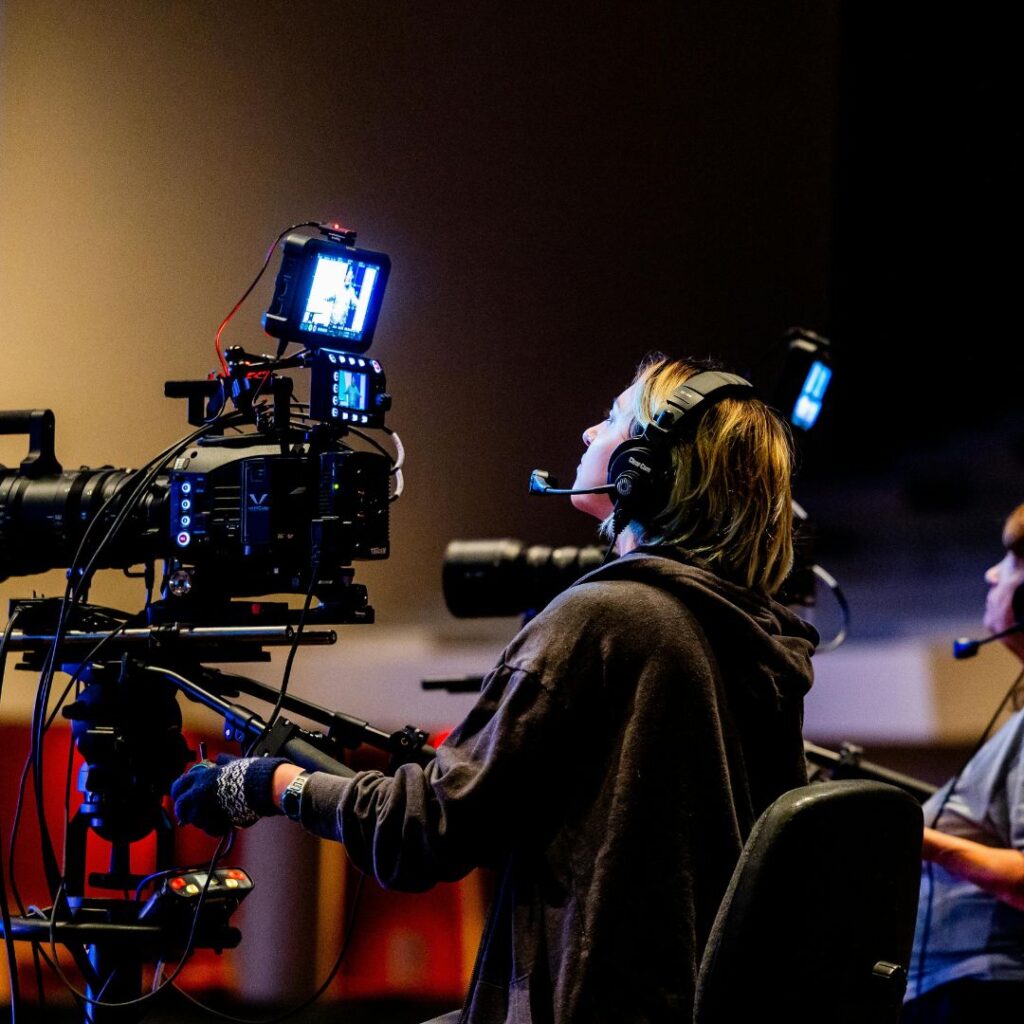
Protecting Creative Work and Brands
Copyright sits at the heart of the creative industries. It can protect original artwork, photography, written content, music, films, illustrations, graphics, software and many other creative works. Copyright generally arises automatically rather than through registration in the UK, but questions around ownership, permitted use and infringement can become complex, particularly where work is created collaboratively or commissioned from freelancers and agencies.
Trade marks provide another important layer of protection, securing the names, logos and other distinctive signs through which creative businesses build recognition and reputation. Design rights can also protect the appearance of products, packaging and other visual creations.
Using these rights together can create a strong protective framework around both what you create and the brand under which you commercialise it. We help creative businesses identify their most valuable assets and put appropriate protection in place before problems arise.

Ownership, Licensing and Commercialisation
Creating something does not always mean the business commissioning or paying for it automatically owns the intellectual property. Work produced by freelancers, photographers, designers, developers, agencies and other external contributors can create complicated ownership questions if the contractual position has not been addressed properly.
Clear agreements should establish who owns the resulting IP, what each party is permitted to do with it and whether any rights are being assigned or licensed. This is particularly important for agencies and studios producing work for clients, as well as businesses commissioning creative content from third parties.
Once ownership is clear, intellectual property can become a valuable commercial asset in its own right. Licensing can allow creative businesses to generate revenue from their work while retaining ownership, whether through content licensing, merchandising, collaborations, publishing, software or brand partnerships. We help clients structure these arrangements so that commercial opportunities do not come at the expense of control over their IP.
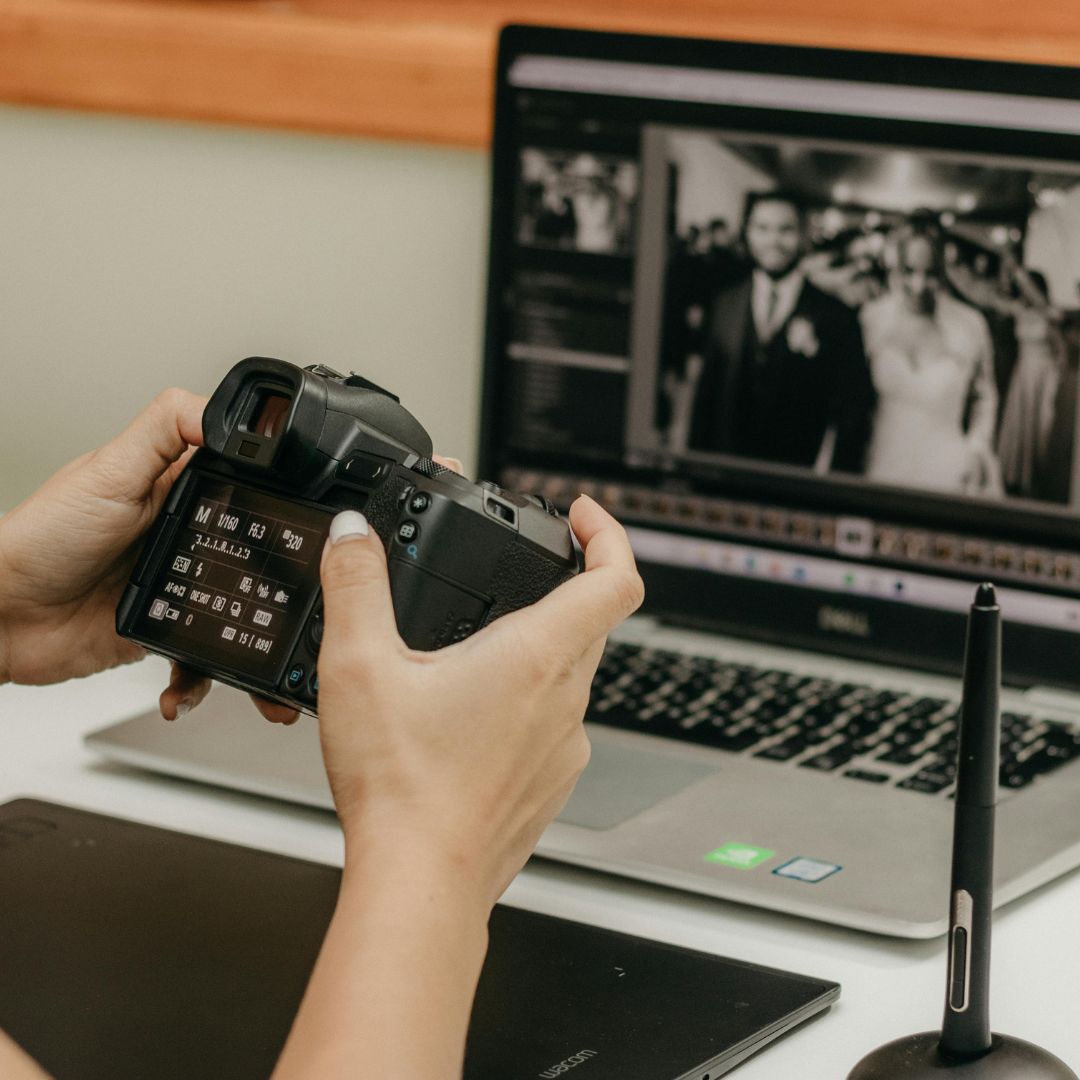
Protecting Creative Work Against Copying
The speed at which creative work is shared online has made infringement easier to encounter and harder to control. Photography, artwork, written content, branding and designs can be reproduced and distributed quickly, while social media and digital marketplaces can expose creative businesses to misuse across multiple platforms and territories.
Where infringement occurs, understanding what rights you hold and the most proportionate way to enforce them is important. Our copyright litigation and wider IP enforcement expertise helps creative businesses respond when their work is copied or used without permission.
For businesses whose brand is central to their commercial success, ongoing brand monitoring can also help identify potentially problematic third-party use before it causes greater damage.
FAQs
What intellectual property protects creative work?
Copyright is one of the most important rights for creative businesses and can protect original works including photography, artwork, writing, music, film, graphics and software. Trade marks protect brands, while registered and unregistered design rights may protect the appearance of certain products and designs. The appropriate combination depends on what you create and how you commercialise it.
Do I automatically own work I have commissioned?
Not necessarily. Paying a freelancer, photographer, designer or other external creator to produce something does not always mean copyright automatically transfers to your business. The contractual terms and circumstances matter. We help businesses put appropriate assignments and licensing arrangements in place so ownership and permitted use are clear.
What can I do if someone copies my creative work?
Your options depend on the rights involved and how the work has been used. Copyright, trade marks and design rights may provide grounds for action, ranging from requesting removal or negotiating a resolution to formal enforcement. Our copyright litigation team can assess your position and advise on an appropriate response.
How can we make money from our intellectual property without selling it?
Licensing allows you to give another party permission to use your intellectual property under agreed conditions while retaining ownership. This can create revenue through royalties, collaborations, merchandising, publishing and other commercial arrangements. We help structure licences that define how your IP can be used and protect your interests.
Should a creative business register its brand as a trade mark?
For a brand you intend to build significant recognition and commercial value around, trade mark registration is well worth considering. Registration gives clearer and stronger rights than relying solely on unregistered protection and can make it easier to prevent confusingly similar brands entering the market. We help creative businesses identify what to protect and secure appropriate registrations.
Our Case Studies
Case Study: Escape Fitness

Case Study: Wow Hydrate
Case Study: The Earthshot Prize

Case Study: Cambridge Mechatronics

Case Study: The Chartered Institute of Patent Attorneys
Case Study: Lincoln City Football Club