


Finding your photographs being used on someone else’s website, social media account or marketing materials can be frustrating, particularly when you’ve invested time and money into creating them.
But does someone need your permission to use your photos, and what can you do if they don’t ask?
Under UK copyright law, photographs are generally protected automatically from the moment they’re created. This means other people cannot simply copy or use them without permission, although there are some important exceptions.
Understanding your rights can help you protect your work and take appropriate action if someone uses your images without authorisation.
Are Photographs Protected by Copyright in the UK?
Yes, original photographs are generally protected by copyright under the Copyright, Designs and Patents Act 1988. Copyright gives the rights holder control over certain uses of the photograph, including copying, distributing and making it available to the public. Importantly, you don’t need to formally register your photographs for copyright protection to apply in the UK. Protection arises automatically when a qualifying original photograph is created. This applies to professional photography, commercial product images and original photographs taken on smartphones.
The UK Intellectual Property Office provides further guidance on copyright protection for photographs and digital images.
Who Owns the Copyright to a Photograph?
In most circumstances, the person who creates a photograph is its first copyright owner. However, ownership can differ depending on the circumstances in which the photograph was taken. For example, photographs created by an employee as part of their employment will generally belong to the employer, unless an agreement states otherwise.

If a business hires a freelance photographer, the photographer will usually retain copyright unless ownership is formally transferred through a written agreement. This is an important distinction for businesses commissioning product photography, corporate headshots or marketing imagery. Paying someone to take photographs doesn’t automatically mean you own the copyright. Instead, your rights to use the images will depend on the agreement you have with the photographer. Businesses should therefore ensure that photography contracts clearly explain ownership, licensing permissions and how the images can be used.
Can Someone Use Your Photos From Social Media Without Permission?
Generally, no. Uploading photographs to social media doesn’t automatically give other people permission to copy and use them. For example, another business cannot ordinarily download your Instagram photographs and use them in its advertising simply because they’re publicly accessible.
However, social media platforms operate under their own terms and conditions, which may grant the platform certain rights to use, display or distribute uploaded content. These permissions do not necessarily extend to unrelated third parties.
There is also an important distinction between using a platform’s built-in sharing features and downloading an image to publish elsewhere. Depending on the platform’s terms and the circumstances, sharing an existing post may be permitted, while copying the photograph for use on another website could amount to copyright infringement.
Can Someone Use Your Photos if They Give You Credit?
Not necessarily, crediting a photographer doesn’t automatically provide permission to reproduce their work. For example, a business that downloads a photographer’s image and includes their name underneath it may still be infringing copyright if it hasn’t obtained the necessary permission. Although photographers may have moral rights relating to identification as the creator of their work, these are separate from the economic rights protected by copyright. Businesses should therefore obtain an appropriate licence or permission before using someone else’s photographs, even when they intend to credit the original creator.
What Can You Do if Someone Uses Your Photos Without Permission?
If you discover that someone is using your photographs without authorisation, there are several steps you can take.
1. Gather Evidence of the Unauthorised Use
Before contacting the person or business responsible, collect evidence showing how your photographs have been used.
This might include screenshots of the website or social media posts, relevant URLs and dates, and copies of the original photographs.
You should also retain any evidence demonstrating your ownership, such as original image files, metadata, contracts or previous publications.
This information can be useful if the matter develops into a formal copyright dispute.
2. Check Whether the Use Is Actually Unauthorised
Before alleging infringement, consider whether the other party may have permission to use the image. For example, you may previously have granted a licence, transferred ownership or agreed to terms allowing certain uses. There are also limited circumstances where copyright law permits the use of protected material without permission. If you’re unsure whether infringement has occurred, seeking professional advice from a copyright solicitior at Panoramix IP can help establish your position.
3. Contact the Person or Business Responsible
In some cases, contacting the person responsible may resolve the issue without further action. You could explain that you own the copyright, identify the photograph concerned and request that the unauthorised use stops. Depending on the circumstances, you may also wish to discuss a retrospective licence or compensation for the use. However, it’s important to establish your rights and consider the strength of your position before making formal legal demands.
4. Request Removal of the Images
If your photographs appear on a website, social media platform or online marketplace, you may be able to submit a copyright infringement report. Many online platforms have procedures for requesting the removal of content that infringes intellectual property rights. The appropriate process will depend on the platform and the nature of the alleged infringement.
5. Consider Legal Action for Copyright Infringement
Where informal attempts to resolve the matter are unsuccessful, legal action may be appropriate. Depending on the circumstances, copyright owners may be entitled to remedies including damages, an account of profits or an injunction preventing further infringement.
At Panoramix IP, our copyright infringement specialists help individuals and businesses assess suspected infringement, understand their rights and pursue commercially sensible resolutions. Our team can also provide copyright litigation support where formal proceedings become necessary.
Can You Claim Compensation if Someone Uses Your Photos?
Potentially, yes. If someone infringes your copyright, you may be entitled to financial compensation. The amount recoverable depends on the circumstances, including the nature of the infringement, the value of the photograph and any financial loss suffered. For example, if a business uses a professional photograph in an advertising campaign without permission, the copyright owner may be able to claim damages reflecting the appropriate licensing fee. In some cases, additional damages may also be available, particularly where infringement has been deliberate or particularly serious. However, compensation isn’t automatic, and the appropriate remedy will depend on the evidence and legal circumstances.
How Can You Protect Your Photos From Copyright Infringement?
Although copyright protection generally applies automatically, there are practical steps photographers and businesses can take to protect their images.
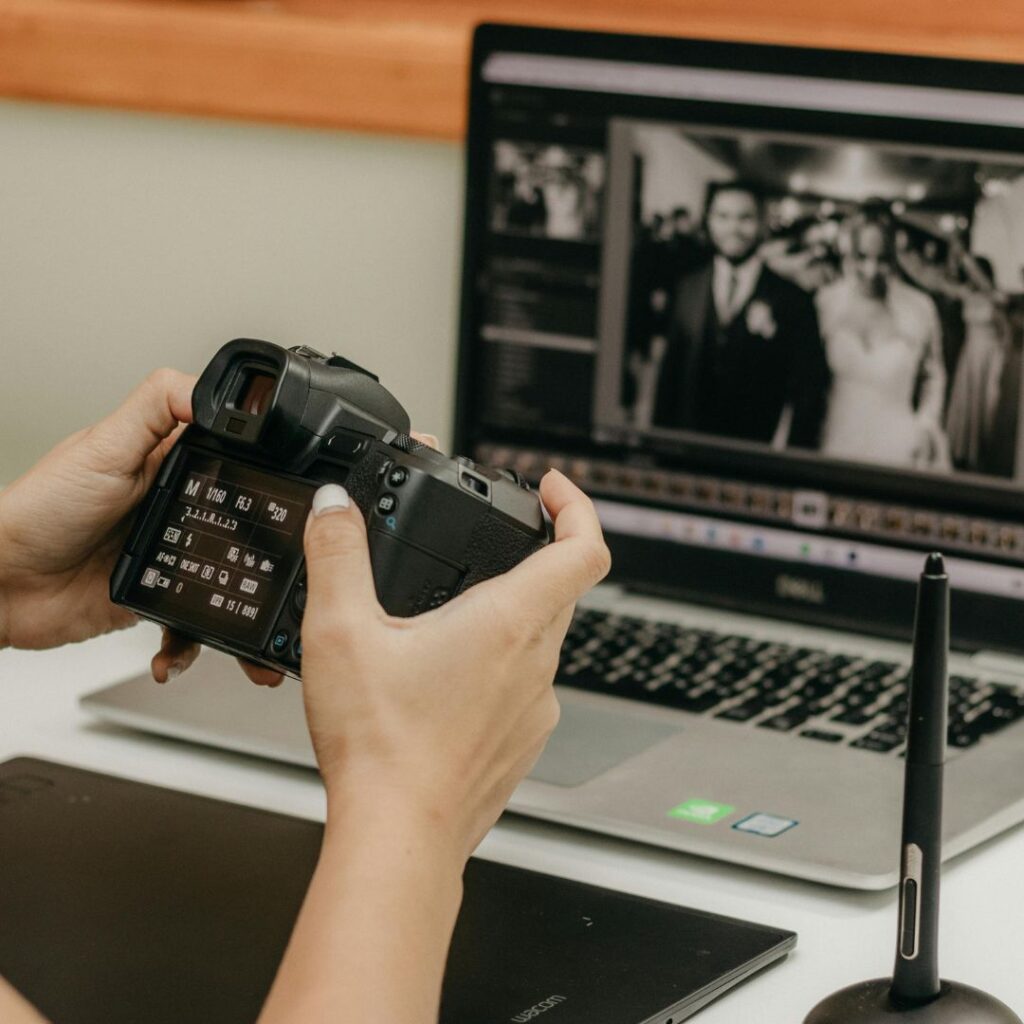
These include:
- Keeping original files: Retain high-resolution originals, metadata and dated records that may help demonstrate authorship.
- Using clear licensing agreements: Specify how, where and for how long others can use your photographs.
- Adding copyright notices: Displaying your name and copyright information can help communicate ownership, although it isn’t required for protection.
- Monitoring online use: Regularly check whether your photographs are appearing on websites or platforms without permission.
- Maintaining ownership records: Keep copies of photography contracts, assignments and permissions.
For businesses with extensive photography portfolios, professional copyright protection advice can help establish appropriate ownership arrangements and reduce infringement risks.
Can You Use Someone Else’s Photos on Your Website?
Generally, you’ll need permission from the copyright owner before using someone else’s photographs on your website. This applies even if the images appear in search engine results, have been shared publicly or don’t display a copyright notice.
There are exceptions under UK copyright law, but these are limited and depend on the specific circumstances. Using images for commercial purposes, including advertising, product listings and website content, will often require an appropriate licence. Businesses should also be cautious when using images supplied by freelancers, agencies or other third parties, ensuring that the necessary rights have been obtained.
Protect Your Photography and Creative Work With Panoramix IP
Photographs can be valuable commercial assets, particularly for photographers, creative agencies and businesses that rely on original imagery. If someone is using your images without permission, understanding your copyright position is the first step towards resolving the issue.
At Panoramix IP, we provide practical advice on copyright ownership, licensing and infringement, helping clients protect their creative work and take appropriate action when disputes arise. If you’ve discovered unauthorised use of your photographs or want to strengthen your copyright protection, our team can help.
Book a free 45-minute IP clinic to discuss your concerns with one of our intellectual property specialists.