


If you’re developing a new product, you’ll almost certainly need to share confidential information before it’s ready for market. You might speak to a product designer, ask a manufacturer for a quotation, work with an engineer to refine a concept, or commission a prototype.
Each of these conversations may involve disclosing the very ideas that give your innovation its commercial value. If that information is shared without appropriate safeguards before a patent application is filed, it could jeopardise your ability to obtain patent protection.
So, should you have a Non-Disclosure Agreement (NDA) in place before you share that information?
We would recommend so, as an NDA is one of the simplest ways to help protect confidential information while your product is still being developed. Although it isn’t a substitute for a patent or other registered intellectual property rights, it can play an important role in protecting your position while your innovation takes shape.
At Panoramix IP, we regularly advise inventors, start-ups and established businesses on how confidentiality agreements fit into a wider intellectual property strategy. Used correctly, an NDA can give you the confidence to collaborate with third parties while reducing the risk of valuable information being shared or misused.
What is a Non-Disclosure Agreement (NDA)?
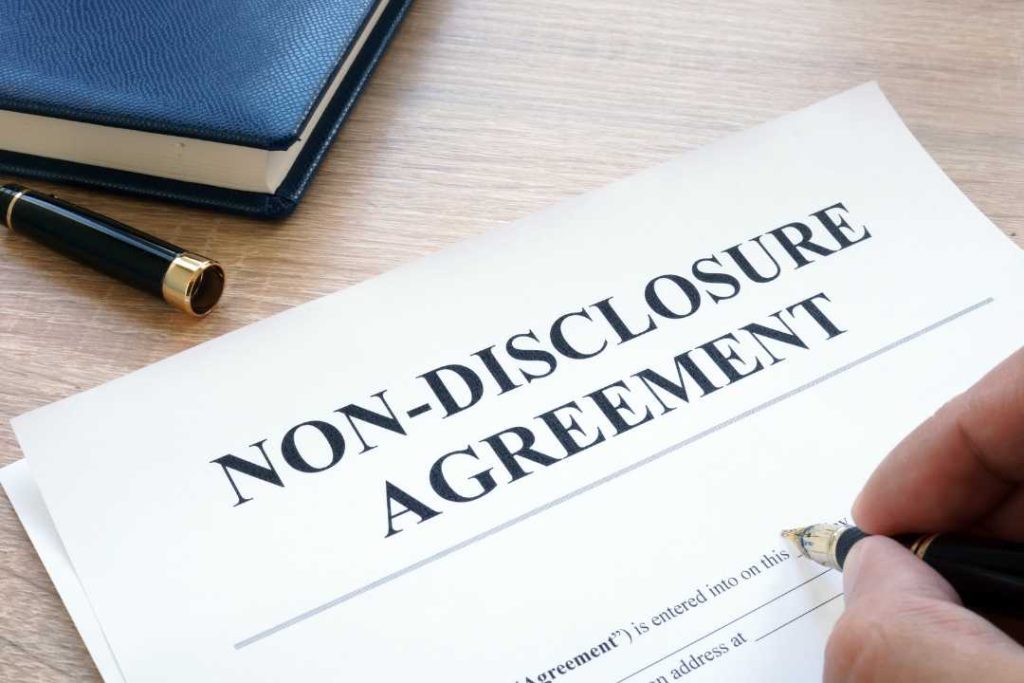
A Non-Disclosure Agreement (NDA), sometimes called a Confidentiality Agreement, is a legal contract that allows confidential information to be shared under agreed terms.
Rather than relying on trust alone, an NDA sets clear expectations about what information is confidential, how it can be used and who it can be disclosed to. It also establishes what happens if those obligations aren’t met.
For businesses developing new products, confidential information might include:
- Technical drawings and CAD files
- Product concepts and specifications
- Prototypes
- Manufacturing processes
- Software or source code
- Research and development
- Commercial plans and pricing strategies
Not every discussion requires an NDA, but whenever commercially valuable information needs to be shared with someone outside your organisation, it’s worth considering whether confidentiality should be formally documented first.
Why is an NDA important during product development?
Bringing an idea to market usually involves collaboration with specialists who each contribute to the final product. The more people involved, the more opportunities there are for confidential information to leave your control.
An NDA helps reduce that risk by ensuring everyone understands their responsibilities before sensitive information is shared.
It can also provide reassurance when you’re discussing ideas with third parties who need enough detail to carry out their work but don’t need ownership of the intellectual property itself.
While an NDA can’t prevent someone from independently creating a similar idea, it can provide valuable legal protection if confidential information is disclosed or used in breach of the agreement.

Can an NDA protect your idea?
One of the questions that our IP specialists are asked most frequently, is whether an NDA is enough to protect an idea on its own. The answer is that it depends on what you’re trying to protect.
An NDA protects confidential information, creating a legal obligation for the person receiving that information to keep it confidential and only use it for the purpose agreed between the parties. If they disclose or misuse that information in breach of the agreement, you may have legal remedies available.
A patent, however, serves a different purpose. Rather than protecting confidential information, it protects the invention itself by giving the patent owner the exclusive right to prevent others from making, using or selling the invention without permission.
For many businesses, the two work hand in hand. An NDA helps maintain confidentiality while an invention is being developed and before a patent application is filed, allowing you to collaborate with manufacturers, designers and other third parties more confidently. A patent then provides longer-term protection once the application has been filed and, ultimately, granted.
This is why our international IP firm often recommend thinking about confidentiality and patents together, rather than viewing them as separate considerations. An NDA is an important part of protecting innovation, but it is most effective when it’s used as part of a broader intellectual property strategy.
Why confidentiality matters before filing a patent
Many businesses don’t realise that timing can be just as important as the invention itself.
Before a patent application is filed, your invention generally exists only as confidential information. If that information enters the public domain too early, it could affect your ability to obtain patent protection in many countries.
That doesn’t mean you can’t talk to manufacturers, designers or engineers before filing a patent application. We know that product development often makes those conversations unavoidable, but the key is ensuring those discussions take place appropriately.
A well-drafted NDA can help preserve confidentiality while you refine your invention, obtain manufacturing quotations, build prototypes or seek technical expertise.
At Panoramix IP, we often prepare confidentiality agreements alongside patent advice so that your business can continue to develop their products without compromising their wider intellectual property strategy.
Who should sign an NDA during product development?
As a general rule, anyone who needs access to confidential information about your product should be considered for an NDA before that information is shared.
Depending on your project, this might include:
- Product designers
- Engineers
- Prototype manufacturers
- Manufacturing partners
- Software developers
- Specialist consultants
- Freelance contractors
- Marketing or branding agencies involved before launch

Investors are slightly different, as many professional investors, particularly venture capital firms, won’t sign NDAs before an initial meeting because they review large numbers of business ideas every year. If investment is part of your strategy, it’s worth taking advice on the best way to approach those discussions. You can book a free IP clinic with us to obtain complimentary advice before choosing to move forward with any further legal support from our team. Click here to book your free consultation.
When should an NDA be signed?
Ideally, an NDA should be signed before confidential information changes hands.
A surprising number of businesses only think about confidentiality after they’ve emailed drawings, shared technical specifications or discussed an invention in detail.
By that stage, opportunities to protect the information may already have been reduced.
If you’re planning to:
- Send technical drawings or CAD files
- Request manufacturing quotations
- Commission prototypes
- Outsource development
- Share research and development information
- Discuss a new invention with external specialists
it’s usually worth considering whether an NDA should be in place first. Get in touch with our NDA lawyers at Panoramix IP for advice on when and how to implement non-disclosure agreements.
Can I use a free template for an NDA?
There are hundreds of free NDA templates available online, but they aren’t all created with intellectual property in mind.
A generic agreement may be perfectly adequate for some situations, but product development often raises issues that standard templates simply don’t address.
For example:
- Is the confidential information clearly defined?
- Who owns any improvements or developments?
- Can information be shared with subcontractors?
- How long should confidentiality continue?
- What happens once the project finishes?
A well-drafted agreement should reflect the commercial relationship and the nature of the information being shared, rather than relying on generic wording that may not be suitable for your circumstances.
Trying to save now, could cost you greatly later. We always advise doing the right thing, the first time around. Don’t leave anything to chance, contact one of our NDA solicitors today.
Common mistakes that put intellectual property at risk
Over the years, our Non-Disclosure Agreement lawyers have seen the same mistakes arise time and again. Businesses often assume that a verbal promise is enough, rely on a free template without understanding its limitations, or delay thinking about confidentiality until after sensitive information has already been shared.
Another common misconception is that an NDA provides the same protection as a patent.
In reality, both have an important role to play. An NDA helps protect confidential information, while patents, trade marks and registered designs provide different forms of registered intellectual property protection.
Understanding how these rights work together is often far more valuable than relying on any one form of protection in isolation.
How to put an NDA in place
Every innovation is different, which means there’s rarely a one-size-fits-all approach to protecting it.
At Panoramix IP, we take the time to understand your product, your commercial objectives and where confidentiality fits into the wider picture. Because our team includes both patent attorneys and solicitors, we’re able to advise not only on drafting bespoke confidentiality agreements, but also on how they support your broader intellectual property strategy.
From your first conversation with a manufacturer to filing a patent application, we can help you protect your ideas at every stage of the product development journey.
If you’re unsure whether an NDA is appropriate for your project, we’d be happy to discuss your circumstances and recommend the most suitable approach.
Click here to book a free consultation with our team today.